Technical Diagramming
Hybrid vs Multi-Cloud: Which is Right for Your Enterprise?



Get your team started in minutes
Sign up with your work email for seamless collaboration.
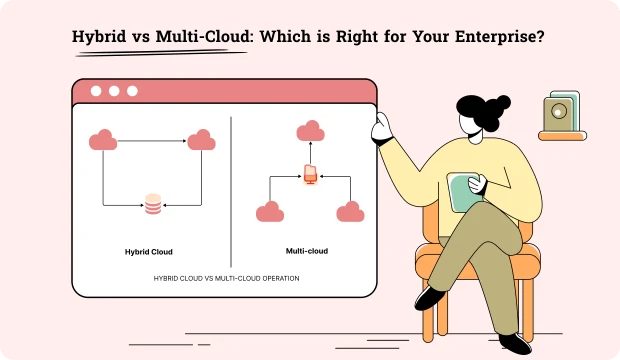
Companies moving through today’s digital transformation are actively determining whether hybrid cloud architecture or multi-cloud architecture solutions match their specialized operational requirements and steadily developing knowledge. The dependence on only a single provider is quickly becoming outdated, as organizations now work to align technical performance, financial planning, and compliance obligations, while carefully tracking new patterns that directly influence their long-term cloud approach.
Think of it as blending your own on-site IT resources with today’s powerful public cloud services. This way, a business can keep its sensitive data close by while still benefiting from the fast performance and fresh innovation that the cloud world delivers.
To put it in my own words, multi-cloud architecture means organizations including the projects I’m directly involved in adopt multi-cloud architecture platforms like AWS, Azure, or GCP together. The main benefit I appreciate is the freedom: not being tied down to just one provider and having the chance to pick the platform that best meets the specific requirement.
You can also use this Multi-Cloud Architecture Diagram Template.
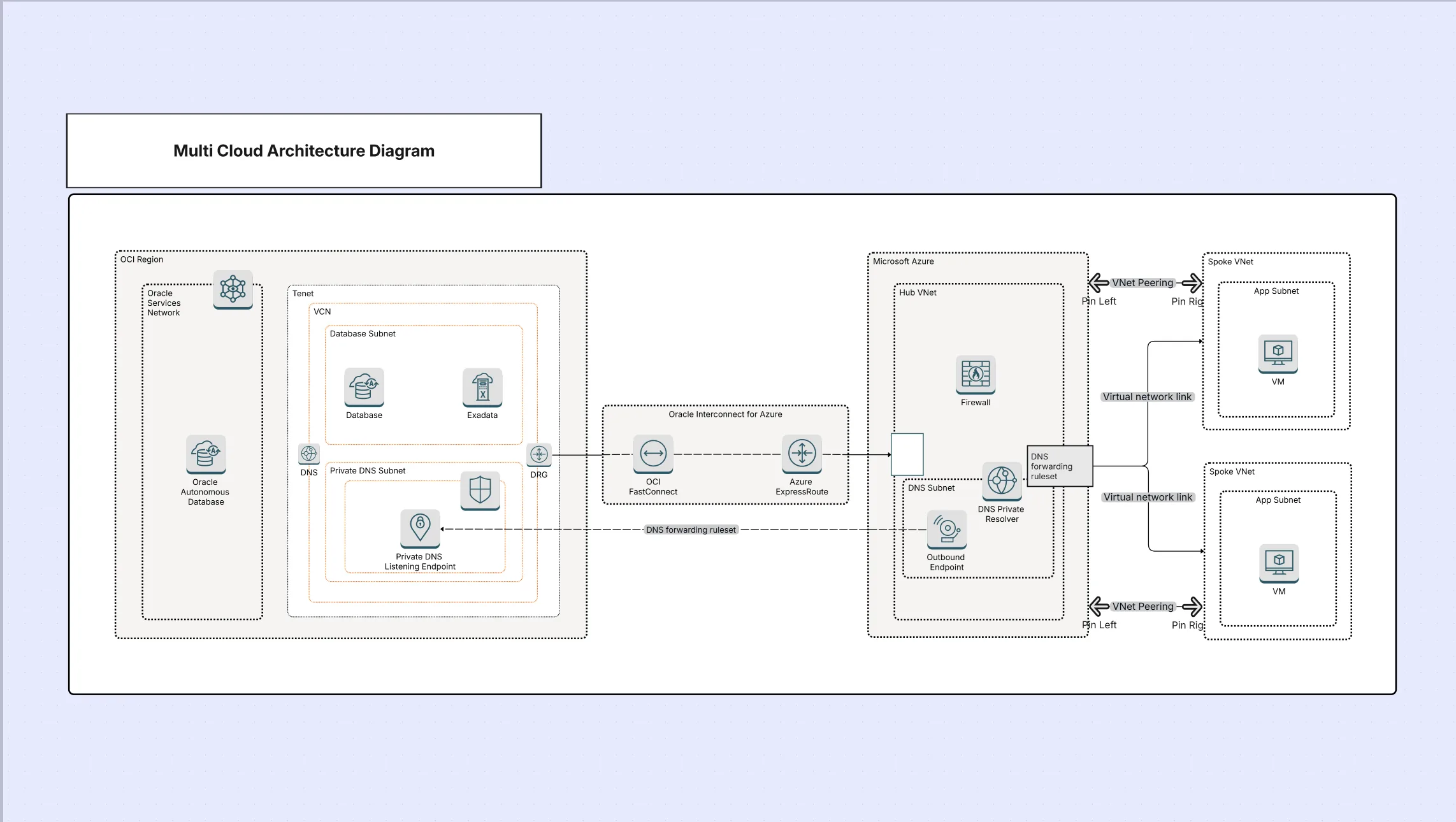
From my own perspective, it’s surprisingly easy to assume hybrid and multi-cloud are the same concept, yet the strategies behind them clearly point in very different directions.
Security is a central concern in hybrid setups. Hybrid cloud security architecture ensures sensitive data remains secure while workloads transition between environments.
Both of these architectures bring clear advantages and a few personal trade-offs.
The choice really depends on your enterprise business priorities and future vision.
To design and compare both strategies, use these Cloudairy templates:
When I look at it, both hybrid cloud architecture and multi-cloud architecture setups bring real value depending on what a business is aiming for. Hybrid tends to work best for organizations focused on compliance and older systems, while multi-cloud feels more suited to those chasing flexibility and variety in providers. With Cloudairy’s Cloud Architecture Diagram Tool, you can visualize and plan either approach effectively using drag-and-drop or AI-powered templates.
Start designing hybrid and multi-cloud architectures for free On Cloudairy.
Start using Cloudairy to design diagrams, documents, and workflows instantly. Harness AI to brainstorm, plan, and build—all in one platform.
Table of Contents

Introduction
 Manage all your work in one placeCollaborate with your teamUse Cloudairy for FREE—forever
.webp)
.webp)
.webp)


