hero-bg-pricing

Get your team started in minutes

Sign up with your work email for seamless collaboration.

small business organizational chart
Org Chart

Best Organizational Chart for Small Business Growth
Author
Cloudairy
By Cloudairy Team
January 10, 2026
10 min read

The small business organizational chart doesn't just serve as a diagram, it functions as a strategic tool that fosters the establishment of clarity, consistency, and accountability. Role management turns complicated as firms develop. This picture allows the business owners to arrange the teams and smoother the decision making processes. It eliminates ambiguities, speeds up interaction, and coordinates people with the corporation's objectives. With the unambiguously specified map, the directors can expand the business without any difficulties. To begin, take advantage of the customizable Small Business Organizational Chart Template to create your own organization in no time.

What Is a Small Business Organizational Chart?

The small business organizational chart doesn't just serve as a diagram it functions as a strategic tool that fosters the establishment of clarity, consistency, and accountability. Role management turns complicated as firms develop. This picture allows the business owners to arrange the teams and smoother the decision making processes. It eliminates ambiguities, speeds up interaction, and coordinates people with the corporation's objectives. With the unambiguously specified map, the directors can expand the business without any difficulties. To begin, take advantage of the customizable Small Company Organizational Chart Template to create your own organization in no time.
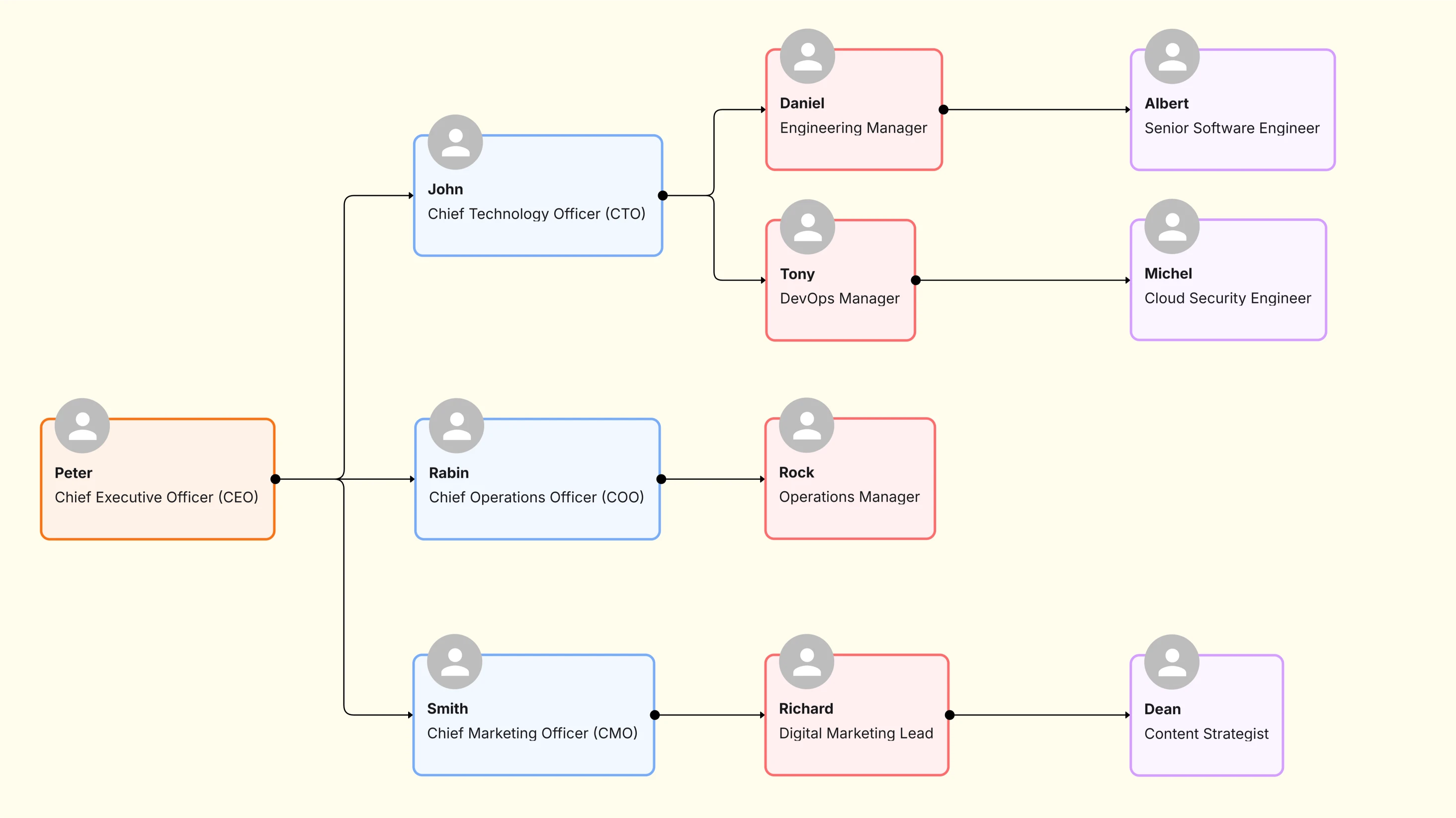
Look at what every small business organizational chart should contain as the essential components below.

  • Defined Leadership Roles: The first thing you need to do is to create a simple hierarchy which often includes the owner, the CEO, or the director. With the leadership being clear, the companies can take faster decisions, distribute the work correctly and all the departments will be receiving the right strategic guidance.
  • Functional Departments: Sales, Marketing, Operations, and HR should be included as divisions. Collaboration and focus are better when grouping by functions. Every department must have clear goals and measurable KPIs that are in step with business targets, thus allowing the management to keep a close and effective watch over the performance.
  • Reporting and Communication Channels: The establishment of proper reporting lines is essential in order to avoid any sort of confusion and misunderstanding. This serves to interlink the workflow transitions and also ensures that each team member knows who is responsible for what. The staff members can quickly point out their bosses and are very much aware of the exact place where the issues are to be raised.
  • Scalability for Growth: A structure that can adapt to different situations makes it possible to expand in the future. The templates given by Cloudairy are very helpful because they can be easily edited and scaled very quickly, therefore it is not a problem at all to add departments or roles when your small business grows into a big company.

Key Components of an Effective Small Business Structure

An effective small business organizational structure offers a balance between simplicity and scalability. It delineates responsibility without making things difficult, thus allowing companies to expand while still having control. This type of structure not only brings about efficiency but also minimizes internal disputes and facilitates performance monitoring through the establishment of clear lines of authority and cooperation.

See below for the critical elements that make a small business structure successful.

  • Vision-Aligned Leadership: For the entire workforce to be guided, the leadership has to clearly communicate the company goals. The close alignment between the founders and the managerial staff in the various departments is the main factor for uniformity in decisions, morale, and growth strategies. Open and honest leadership will, in turn, keep the employees motivated and determined.
  • Functional Integration: Isolated operations should not be allowed to take place within the departments. The establishment of connections among operations, finance, and marketing guarantees the collaboration and even the birth of new ideas. Businesses can provide results that focus on the customers even faster while cutting down on the occurrence of bottlenecks by means of the integrated structures.
  • Delegation and Empowerment: The establishment of authority at all levels encourages ownership. Workers that are aware of their duties and the limits of their decisions will be more at ease with their work, which will result in a rise in output and creativity. The sharing of power among top managers and their subordinates leads to more dynamic and flexible organizations.
  • Feedback and Continuous Improvement: The feedback loop allows for the refinement of structural elements. Top management can monitor the movement of tasks and make changes to the reporting structure whenever it is needed. Such flexibility makes the small enterprises adaptable to the ever-changing markets that are dynamic.

Below are clean template suggestions you can use to add Explore and Visit lines for interlinking within your descriptions perfect for blogs, LinkedIn posts, landing pages, or SEO content.

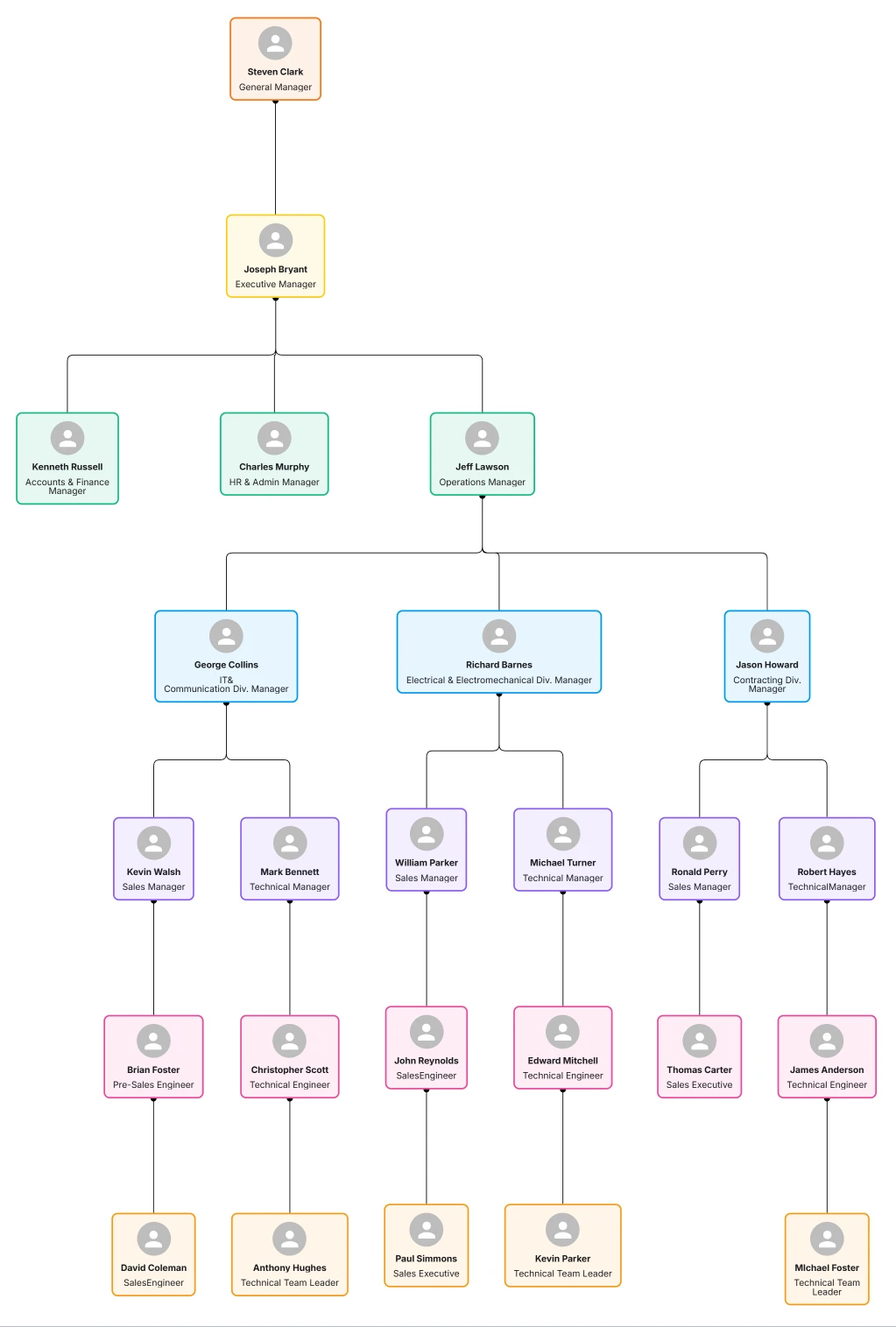
Types of Small Business Organizational Charts

Selecting the right organizational chart structure depends on your company’s size, industry, and workflow style. Each structure offers distinct advantages for control, collaboration, and scalability.

See below for the main types of small business organizational charts.
Functional Organizational Chart

A functional organizational chart showcases the workforce based on their departments and expertise. This arrangement is best suited for firms with fixed teams, and it brings out the advantages of specialization, productivity, and responsibility. Managers are able to pay attention to the particular department's performance and employee's training. Visuals can be found in the Functional Organizational Structure Template.
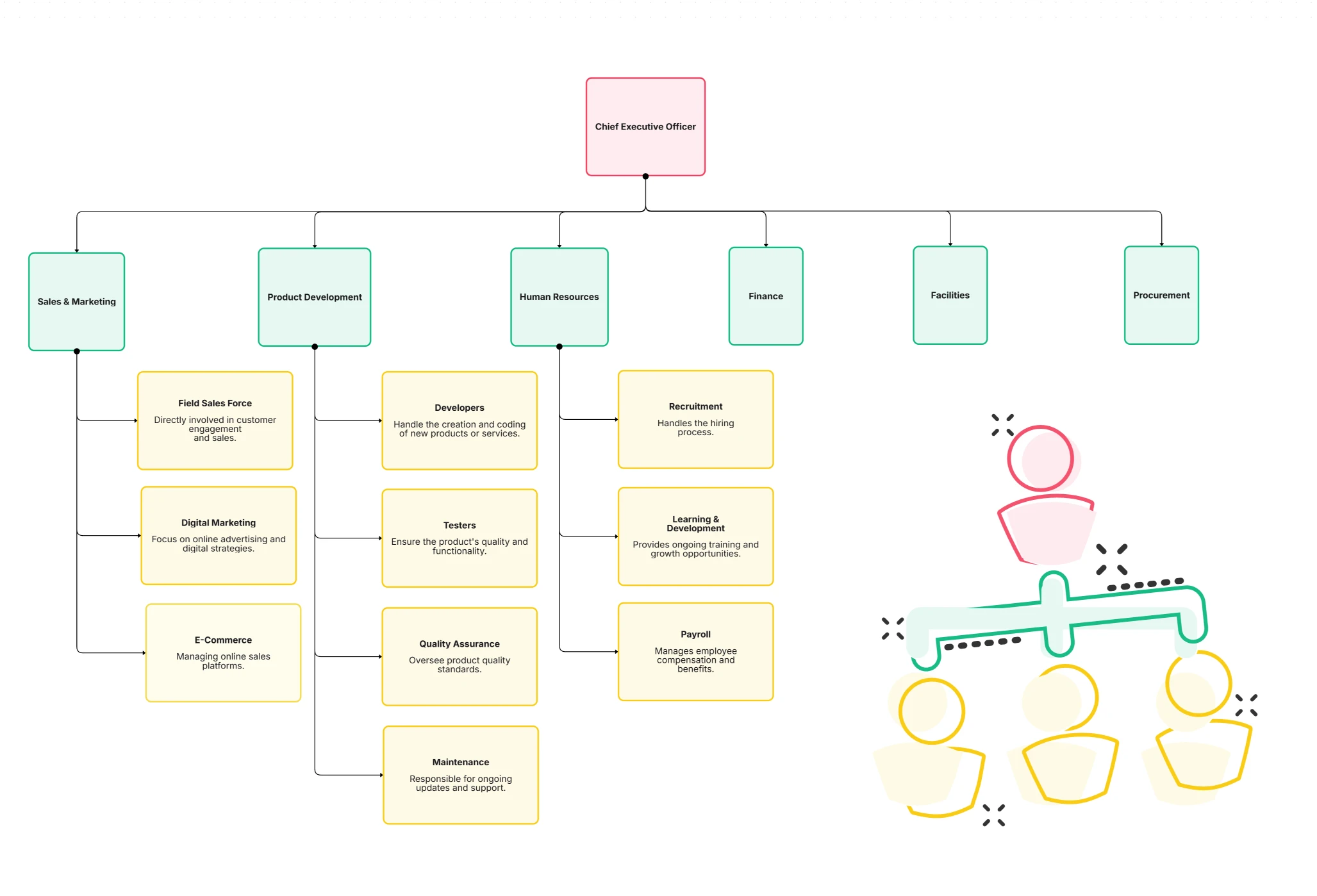
  • Advantages: Promotes organized workflows and clarity in task ownership. It simplifies management, helps track KPIs, and aligns functions with strategic goals critical for sustainable small-business growth.
  • Limitations: It can result in isolated units or departments. As a remedy, supervisors should set up meetings that include various functions to work together and solve problems communally.

Benefits of Using a Small Business Org Chart

A small business org chart delivers numerous operational, strategic, and human-resource benefits. It’s a blueprint that ensures every team member understands their place and purpose within the company ecosystem.

See below for the key benefits of using a small business organizational chart.

  • Streamlined Communication: Clear hierarchies enable faster information flow. Employees know whom to contact for approvals, guidance, or collaboration, minimizing misunderstandings and delays.
  • Increased Accountability: Every employee’s responsibilities are visible, reducing redundancy and ensuring that tasks are completed on time. It helps managers monitor team efficiency and progress.
  • Improved Decision-Making: Leadership can allocate tasks confidently, knowing who holds relevant expertise. This precision accelerates project execution and enhances customer satisfaction.
  • Scalability and Adaptation: A dynamic structure grows with the company. Using Cloudairy’s AI-powered editor, small-business owners can modify charts as new teams or departments are added.

How to Create Your Own Chart with Cloudairy

Cloudairy’s Industry Org Chart Maker simplifies how small businesses build, edit, and share their organizational structures. It’s built for founders who value clarity, collaboration, and speed.

Here are the steps to create your own small-business organizational chart.

  • Select a Template: Start with the Small Business Organizational Chart Template or design from scratch using Cloudairy’s Industry Org Chart Maker.
  • Add Leadership and Teams: Define your hierarchy from founders to interns. Cloudairy auto-aligns connections, keeping charts professional and easy to understand.
  • Customize for Your Brand: Adjust colors, fonts, and department tags to match company branding. A professional design enhances presentations, proposals, and investor documents.
  • Collaborate and Update: Invite HR or department leads to edit charts in real time. Cloudairy supports secure sharing, ensuring continuous collaboration and easy updates.

Example Template & Download

Small Business Organizational Chart Template

Small Business Organizational Chart Template

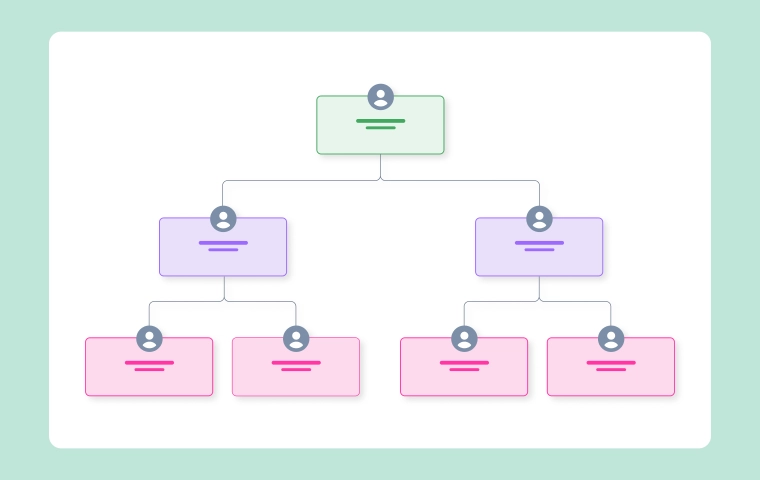
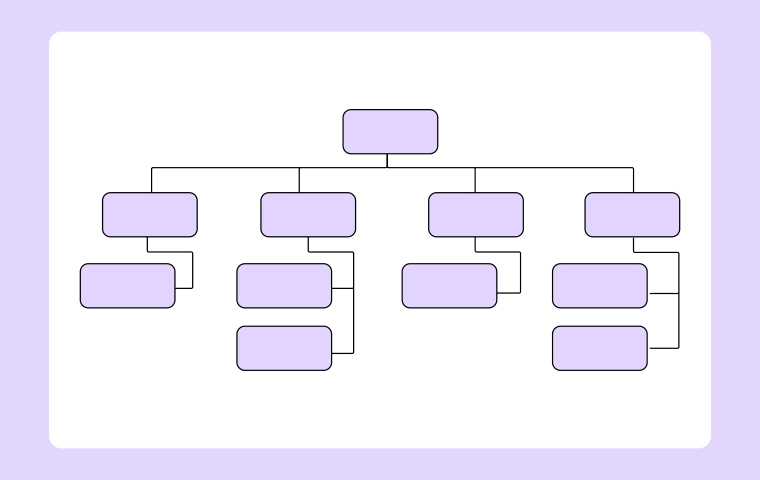
The following editable layout showcases how an optimized small business organizational chart can streamline your operations. Download and customize the Small Business Organizational Chart Template for startups, retail firms, or service-based companies. For larger setups, explore the Company Organizational Chart Template to build on advanced structures.

Conclusion

A small business organizational chart is your foundation for growth, communication, and performance. It helps align teams, establish accountability, and set the stage for scalability. Whether you’re building a startup or expanding an existing business, Cloudairy’s intelligent design tools simplify every step from creation to collaboration.

Build your ideal structure today with the Industry Org Chart Maker and experience the easiest way to scale your business visually.

Ready to create smarter with AI?

Start using Cloudairy to design diagrams, documents, and workflows instantly. Harness AI to brainstorm, plan, and build—all in one platform.

Recommended for you